
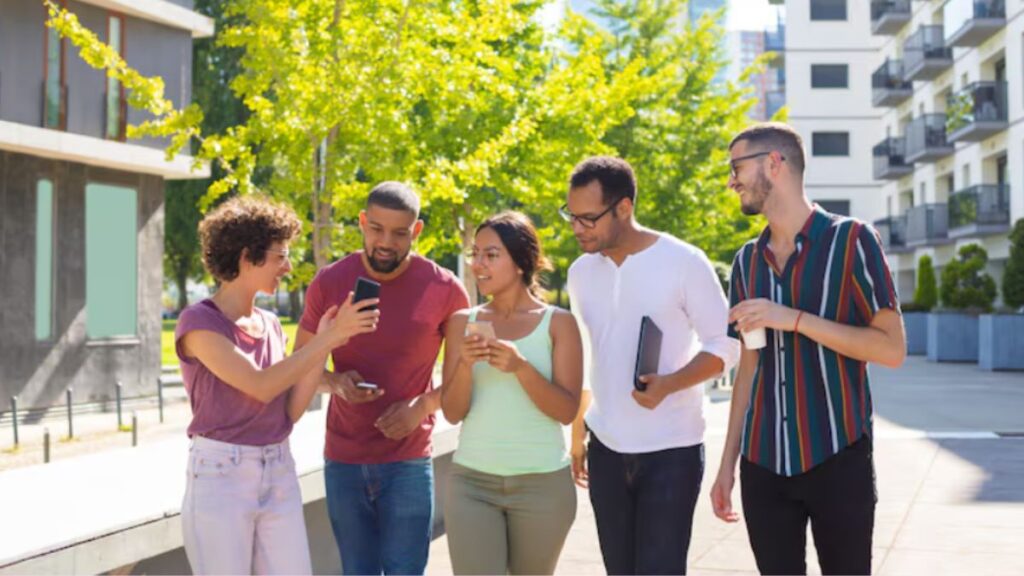
Have you ever heard of Woeken? This intriguing concept is more than just a buzzword; it’s a powerful tool for fostering community and strengthening social ties. Originating from the idea of bringing people together, Woeken has created a ripple effect in neighborhoods across the globe. As our lives become increasingly digital, the need for genuine human connection grows stronger. In this blog post, we’ll explore what Woeken is all about, its benefits to individuals and communities alike, and how it plays an essential role in building meaningful relationships. Join us as we delve into this fascinating topic that could reshape your understanding of community engagement!
What is Woeken and its Origins
Woeken is a grassroots movement that emphasizes the importance of community involvement. It encourages individuals to engage with their local surroundings and contribute actively to the welfare of those around them.
The term “Woeken” has its roots in various cultures, where communal gatherings have long been a tradition. These events were often centered around shared activities, from cooking meals together to hosting seasonal festivals.
As societies evolved, the essence of Woeken transformed into a modern approach aimed at reviving these age-old practices within today’s fast-paced environment. The goal remains clear: foster connections among neighbors and create spaces for collaboration.
By blending cultural heritage with contemporary needs, Woeken serves as a reminder of our inherent desire for connection. Its origins reflect both historical significance and an urgent call to action for communities seeking unity in diversity.
The Benefits of Woeken for Individuals
Woeken offers a multitude of benefits tailored for individuals. At its core, it fosters personal growth by encouraging participation in community activities.
Engaging in Woeken can enhance one’s skill set. Whether it’s learning new crafts or participating in local events, the opportunities are endless.
Moreover, Woeken promotes mental well-being. Being involved with others cultivates a sense of belonging and reduces feelings of isolation.
Networking is another significant advantage. Individuals connect with like-minded people who share similar passions and interests.
Additionally, Woeken encourages empathy and understanding among participants. This mutual respect helps build stronger relationships that often extend beyond organized activities.
The collaborative spirit inherent in Woeken also inspires creativity, allowing individuals to express themselves freely while working together towards common goals.
The Impact of Woeken on Communities
Woeken serves as a catalyst for community transformation. It encourages local engagement and collaboration among residents. This collective effort often leads to grassroots initiatives that address specific needs within the community.
When people come together through Woeken, they create a sense of belonging. This shared purpose fosters trust and strengthens relationships among neighbors. As friendships grow, so does the overall resilience of the community.
The impact is visible in various forms: improved public spaces, organized events, and enhanced safety measures. Communities participating in Woeken become more vibrant, fostering creativity and innovation.
Additionally, these initiatives typically empower marginalized voices. By ensuring everyone’s participation, communities can collectively tackle challenges more effectively while celebrating their unique strengths and diversity. The ripple effects extend beyond immediate changes; they cultivate long-lasting social cohesion that benefits all members involved.
How Woeken Builds Social Connections
Woeken fosters social connections by creating spaces for individuals to engage and interact. It encourages collaboration and shared experiences among community members. This approach breaks down barriers, allowing people from diverse backgrounds to come together.
Through organized events or casual meet-ups, Woeken provides opportunities for networking. Participants can exchange ideas, form friendships, and support one another in their endeavors. The emphasis on inclusivity helps everyone feel valued.
Moreover, Woeken initiatives often facilitate mentorship relationships. These connections not only benefit the individuals involved but also strengthen the fabric of the community as a whole. By building trust and understanding through shared activities, residents gain a sense of belonging that is essential for emotional well-being.
As participants share stories and challenges within these settings, deeper relationships blossom naturally over time. This organic growth in social ties enhances both personal fulfillment and communal resilience.
Examples of Successful Woeken Initiatives
Across the globe, communities have embraced Woeken in various forms. One notable initiative took place in a small town where residents organized a monthly Woeken night. This event brought neighbors together to share meals and stories, fostering deeper connections.
In another instance, an urban center launched a Woeken project that focused on environmental sustainability. Residents engaged in cleanup drives while exchanging gardening tips and resources. It transformed not just the neighborhood but also its sense of camaraderie.
Schools have also integrated Woeken into their curriculum through community service days, encouraging students to work alongside local organizations. These events help bridge generational gaps while teaching valuable life skills.
Artistic expressions of Woeken emerged as well with mural projects involving diverse artists from the community. They collaborated to create vibrant public art pieces that reflect shared histories and aspirations, uniting residents under common themes of hope and identity.
The Role of Technology in Modernizing Woeken
Technology has transformed the way we engage in Woeken. Social media platforms, for instance, allow people to connect beyond geographical barriers. These tools create opportunities for virtual gatherings and discussions.
Mobile apps are also enhancing how communities organize events. Users can easily share updates, coordinate schedules, and invite others to join activities that foster connection.
Moreover, online forums provide spaces where individuals can share experiences related to Woeken. This shared knowledge builds a strong sense of belonging among participants.
Virtual reality is on the horizon as well. It presents possibilities for immersive community interactions that were once unimaginable.
In this digital age, technology serves as a bridge rather than a barrier. The modern approach not only preserves traditional elements but also enriches them with new dimensions of social engagement.
Overcoming Challenges in Implementing Woeken
Implementing Woeken can come with its share of challenges. Resistance to change often stands at the forefront. Many individuals are accustomed to traditional methods of community engagement and may be hesitant to embrace new concepts.
Resource allocation also poses difficulties. Communities may lack funding or adequate manpower for successful Woeken initiatives. It’s essential to identify local talents who can lead these efforts.
Another hurdle is ensuring inclusivity. Some groups might feel marginalized in a new framework, so outreach becomes crucial. Engaging all demographics fosters unity and participation.
Technology plays a vital role as well. Not everyone has equal access, which can create barriers in communication and involvement. Bridging this digital divide should be part of any strategy.
Training programs for facilitators help address knowledge gaps, empowering them to guide others effectively through the Woeken process without confusion or frustration.
Conclusion: Embracing the Power of Woeken for Stronger Communities
Embracing the power of Woeken can lead to stronger, more connected communities. This practice fosters a sense of belonging among individuals, enhancing their mental well-being and social skills. By bringing people together, Woeken helps bridge gaps between diverse groups.
The positive impact on local neighborhoods is undeniable. Communities that engage in Woeken often see increased collaboration and support among members. Social ties strengthen as people come together for shared interests or projects.
Technology plays a pivotal role in modernizing Woeken initiatives, making it easier to connect with others and organize events. Digital platforms can help amplify these efforts, ensuring that everyone has access to opportunities for engagement.
While challenges may arise when implementing Woeken practices, overcoming them leads to enriching experiences for all involved. As individuals commit to this journey of community-building through Woeken, they create networks that empower each member.
By embracing this approach today, communities can thrive tomorrow—creating bonds that last far beyond any single event or initiative.