
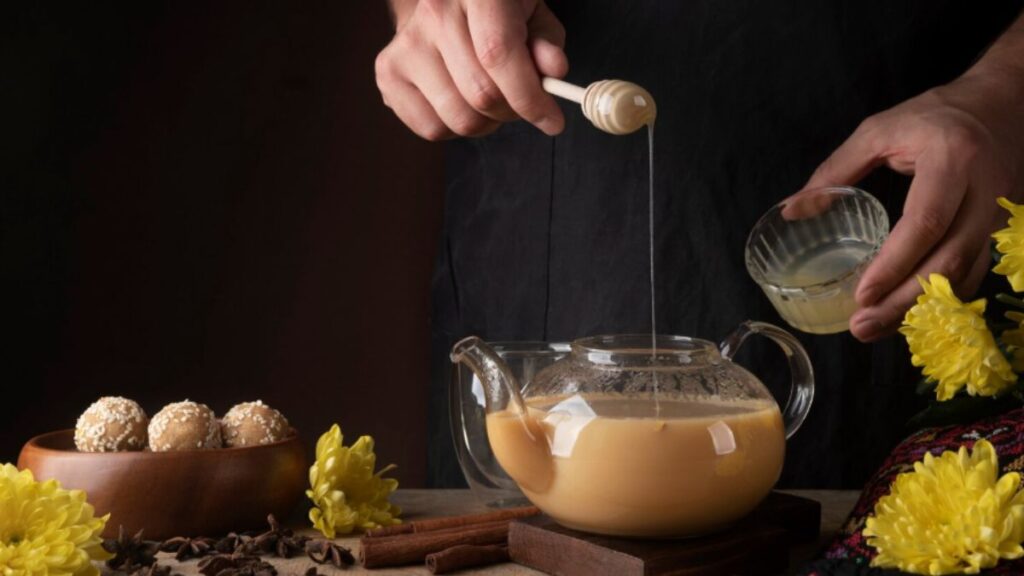
Introduction to Tea for Milk
Tea for milk is not just a drink; it’s an experience. Whether you’re curling up with a good book or catching up with friends, a well-crafted tea blend can elevate those moments into something special. The beauty of tea lies in its versatility—there’s so much more than just black and green leaves steeped in water. With the right choice of milk and flavor pairings, your cup can become an exquisite treat.
Imagine savoring the warmth as rich flavors dance on your palate, creating memories that linger long after the last sip. In this guide, we’ll explore everything from types of tea to creative recipes that will help you master this delightful blend. Get ready to brew something magical!
Understanding the Different Types of Tea: Black, Green, Herbal
Tea comes in various forms, and each type offers a distinct flavor profile. Black tea is robust and bold. It often serves as the foundation for classic milk teas. The rich tannins blend beautifully with dairy, creating a comforting experience.
Green tea, on the other hand, is lighter and more delicate. Its grassy notes can be enhanced by adding milk, although it’s less common. This combination appeals to those seeking something unique yet refreshing.
Herbal teas are caffeine-free blends that open up a world of possibilities. Chamomile or peppermint mixed with milk creates soothing concoctions perfect for winding down at night.
Each type has its own merits when paired with milk, inviting exploration into different taste sensations. Whether you prefer strong or subtle flavors, there’s an ideal match waiting to be discovered in your cup.
Choosing the Right Milk for Your Tea Blend
When it comes to crafting the ideal tea for milk, the type of milk you choose can make all the difference. Each variety brings its own character and flavor profile.
Whole milk is a popular choice. Its creamy texture enhances black teas beautifully, creating a rich experience that many crave. If you prefer something lighter, consider skim or 1% milk for a less indulgent sip.
For those seeking plant-based alternatives, almond or oat milks are fantastic options. Almond adds a nutty undertone while oat milk creates an irresistibly smooth blend.
Coconut milk introduces tropical notes that pair well with spicy chai blends. It’s unique yet deliciously complementary.
Don’t forget about flavored milks! Vanilla or chocolate varieties can elevate your brew into dessert territory, providing unexpected delight in each cup. Explore these choices to discover what resonates with your palate best.
Common Flavor Combinations for Tea for Milk
When it comes to tea for milk, flavor combinations can elevate your cup into a delightful experience. One classic pairing is black tea with vanilla. The smooth richness of the vanilla complements the robust notes of the black tea perfectly.
For those who enjoy a bit of spice, chai is an excellent choice. Blending traditional spices like cinnamon and cardamom with your milk creates warmth and depth that’s hard to resist.
If you prefer something lighter, green tea mixed with almond milk offers a nutty twist. The subtle flavors meld beautifully, providing both taste and health benefits.
Herbal teas also shine when paired with milk. Peppermint or chamomile combined with oat milk adds creaminess while maintaining their refreshing qualities.
Experimenting with these combinations can lead to surprising discoveries in your daily routine! Each blend brings its own unique character to the table—perfect for any mood or occasion.
Tips for Brewing the Perfect Cup of Tea for Milk
Brewing the perfect cup of tea for milk requires attention to detail. Start with fresh, quality loose leaf or bagged tea. The type you choose sets the stage for flavor.
Use water that’s just below boiling—around 200°F works best. This temperature helps extract rich flavors without scalding delicate leaves.
Steep your tea for the right duration. Black teas generally need about 3-5 minutes, while green and herbal varieties require less time. Taste as it brews to find your ideal strength.
Once steeped, remove the tea leaves or bags promptly to avoid bitterness. Then, add warm milk of your choice gradually.
Experiment with ratios until you hit that sweet spot between creamy richness and bold tea flavor. Enjoy your creation immediately for the freshest taste!
Creative Ways to Incorporate Tea for Milk into Recipes
Tea for milk can be a delightful ingredient in various recipes that elevate flavors. Consider using brewed tea as a base for marinades. The tannins in black tea add depth to meats, making them succulent and flavorful.
For desserts, try infusing your favorite cake batter with chai or Earl Grey. A subtle hint of spice or bergamot adds complexity to every bite.
You can also experiment with ice cream by mixing brewed green tea into the custard before churning it. This creates a refreshing treat perfect for warm days.
Don’t forget about smoothies! Blend your choice of tea with fruits and yogurt for an energizing breakfast option that’s packed with antioxidants.
Use tea-infused syrup in cocktails or mocktails to create unique drinks that surprise and delight guests at any gathering.
Final Thoughts on Creating Flavorful Blends with Tea for Milk
Creating flavorful blends with tea for milk is an art that invites experimentation and creativity. The beauty of this beverage lies in its versatility, allowing you to tailor every cup to suit your taste preferences.
As you explore various types of tea—from robust black teas that stand up well against creamy textures to delicate green teas offering a more subtle flavor profile—you’ll discover the perfect balance for your palate. Consider pairing these with different milk options, whether it be whole, almond, or oat. Each choice brings its own unique character.
Don’t shy away from mixing flavors either; spices like cinnamon or cardamom can elevate your drink into something extraordinary. Adding sweeteners such as honey or flavored syrups can also enhance the overall experience.
Brewing the perfect cup requires attention but is straightforward enough to master. Experimenting with steep times and temperatures will help you achieve just the right strength without bitterness.
Beyond traditional servings, think about incorporating tea for milk into baked goods or desserts for an unexpected twist that will delight those who try them.
Embrace this journey through flavors and textures as you create cups filled not just with warmth but also vibrant tastes tailored uniquely to you. Every sip tells a story—what will yours say?