
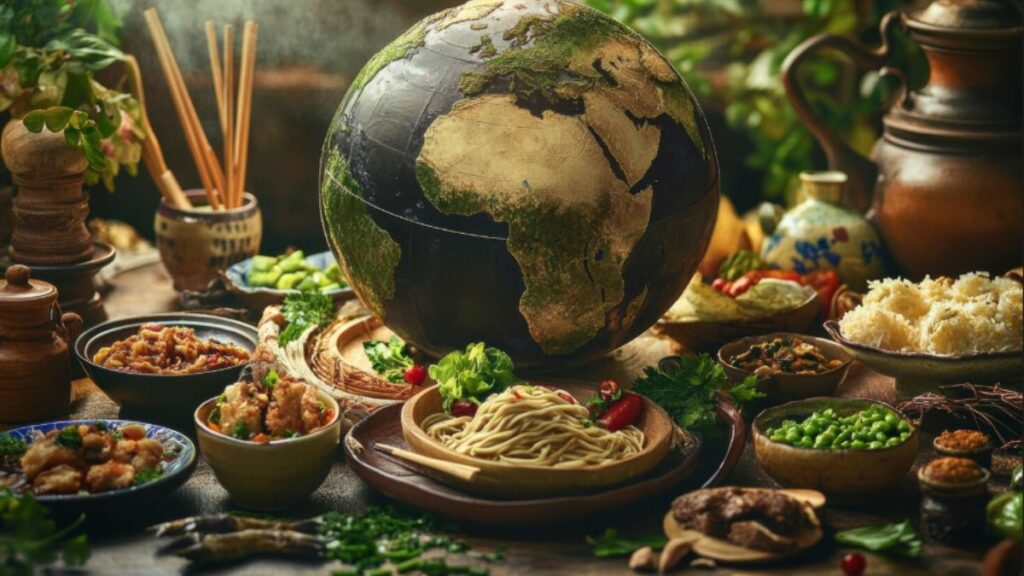
Introduction to Sourthrout and its origins
Sourthrout has a fascinating history that spans continents and cultures. This humble fermented dish, primarily made from finely shredded cabbage, is more than just a side; it’s a testament to culinary ingenuity across the globe. From its roots in ancient civilizations to modern kitchens, sourthrout has evolved into various forms, each reflecting the unique traditions and flavors of different regions.
As we explore this timeless recipe’s international interpretations, you’ll discover how people have embraced fermentation as both a preservation method and a flavor enhancer. Get ready to dive into the world of sourthrout—where tangy meets tradition!
Sourthrout in German cuisine
Sourthrout holds a revered spot in German cuisine, celebrated for its rich flavor and versatility. This fermented cabbage dish is often served alongside hearty meats like sausages and pork knuckles.
In Germany, it’s more than just a side; it’s an integral part of many traditional meals. The tangy taste complements the savory elements beautifully, enhancing the overall dining experience.
Different regions have their own takes on this beloved staple. In Bavaria, for instance, sourthrout may be prepared with spices such as juniper berries or caraway seeds to intensify its aromatic profile.
This dish isn’t just about flavor—it’s also steeped in history. For centuries, sourthrout has been a staple during long winters when fresh vegetables were scarce. Its fermentation process not only preserves cabbage but enriches it with probiotics that benefit gut health.
Kimchi in Korean cuisine
Kimchi is a cornerstone of Korean cuisine, celebrated for its bold flavors and vibrant colors. This fermented dish typically consists of napa cabbage, radishes, and a medley of spices that create its signature kick.
The preparation process is an art form in itself. Each family often has their own secret recipe passed down through generations. Gochugaru (Korean red pepper flakes) adds heat, while garlic and ginger provide depth.
Kimchi isn’t just a side dish; it’s woven into the fabric of everyday meals. From stews to fried rice, it enhances countless dishes with its tangy zest.
Beyond taste, kimchi carries immense cultural significance in Korea. It’s more than food; it’s tradition and identity on a plate. The communal experience of making kimchi during “kimjang” season highlights the importance of togetherness in Korean culture as families gather to prepare this beloved staple for winter months ahead.
Curtido in Salvadoran cuisine
Curtido is a delightful Salvadoran condiment that adds a vibrant twist to any meal. Often made with finely shredded cabbage, carrots, and onions, it is fermented with vinegar and spices. This gives it a tangy kick that’s hard to resist.
Traditionally served alongside pupusas—thick corn tortillas stuffed with various fillings—curtido brings freshness and crunch to the dish. Its zesty flavor balances the richness of the pupusas beautifully.
The fermentation process not only enhances its taste but also boosts its nutritional profile. Packed with probiotics, curtido aids digestion while providing essential vitamins.
In Salvadoran households, it’s common for families to prepare large batches of curtido as an accompaniment for gatherings or daily meals. Each family might have their own secret recipe or special ingredient that makes theirs unique, reflecting personal tastes and regional influences.
Choucroute in French cuisine
Choucroute, a beloved dish in French cuisine, hails from the Alsace region. This delightful recipe features fermented cabbage seasoned with an array of spices. The preparation transforms humble ingredients into a culinary masterpiece.
Traditionally, choucroute is served alongside various meats. Sausages and pork are common companions, often simmered together to infuse flavor. The slow cooking process allows the flavors to meld beautifully.
The dish showcases the balance between acidity and richness. The tangy sauerkraut cuts through the hearty meatiness, creating a harmonious experience for your palate.
Pairing choucroute with local wines enhances its charm further. A crisp Riesling complements its savory notes perfectly.
It’s not just food; it’s part of cultural gatherings and celebrations in France. Sharing this dish brings friends and family together around the table, making it more than just a meal—it’s an experience steeped in tradition and warmth.
Other cultural variations of sauerkraut
Sourthrout has many cultural cousins that showcase its versatility. In Eastern European countries, fermented vegetables are celebrated in various forms. For instance, Polish kapusta kiszona offers a delightful tang and is often enjoyed alongside hearty meats.
In the Philippines, you’ll find atchara, a pickled green papaya dish that’s sweet and sour. This refreshing side contrasts beautifully with rich main courses.
Latin America features different takes as well. Mexican escabeche uses carrots and jalapeños to create a spicy twist on traditional fermentation techniques.
Himalayan culture boasts gundruk—a fermented leafy green vegetable packed with flavor and nutrition. Each variation reflects local ingredients and culinary customs while sharing that beloved sour bite characteristic of sauerkraut.
These variations highlight how cultures across the globe embrace fermentation as a way to enhance flavors and preserve food for future enjoyment.
Health benefits of Sourthrout
Sourthrout offers a treasure trove of health benefits that can enhance your well-being. Packed with probiotics, it supports gut health by promoting the growth of good bacteria. This can lead to improved digestion and better nutrient absorption.
Rich in vitamins C and K, Sourthrout helps boost the immune system while contributing to bone strength. Its high fiber content aids in maintaining a healthy weight and regulating blood sugar levels.
Furthermore, this fermented delicacy may have anti-inflammatory properties. Regular consumption might even contribute to heart health by lowering cholesterol levels.
Incorporating Sourthrout into your diet is not just delicious; it’s also a smart choice for those looking to elevate their nutritional game. So go ahead and enjoy this flavorful food for both taste and wellness!
How to make your own Sourthrout at home
Making your own sourthrout at home is simpler than you might think. Start with fresh cabbage, preferably organic for the best flavor and health benefits.
Slice the cabbage into thin strips. You’ll need about a medium-sized head to get started. Place it in a large bowl and sprinkle some sea salt over the top. The salt helps draw out moisture, which is essential for fermentation.
Massage the cabbage gently until it begins to soften and release liquid. This process usually takes around 5-10 minutes.
Transfer everything into a clean jar or fermentation crock, pressing down firmly to eliminate air pockets. You want the brine from the cabbage to fully cover it; if needed, add water mixed with more salt.
Seal your container loosely to allow gases to escape during fermentation. Leave it at room temperature for about one to four weeks, tasting occasionally until you reach your desired tanginess!
Incorporating Sourthrout into different dishes
Sourthrout is a versatile ingredient that can elevate various dishes. Its tangy flavor adds a delightful twist to meals, making it perfect for experimentation.
Try adding sourthrout to tacos for an unexpected crunch. The acidity complements the spices beautifully. It’s also fantastic in sandwiches, where it brings moisture and zest.
For breakfast lovers, mix sourthrout into scrambled eggs or omelets. This addition introduces a vibrant taste that pairs wonderfully with cheese and herbs.
Consider stirring sourthrout into soups or stews as well. It enhances the depth of flavors while providing beneficial probiotics.
Don’t forget salads! Tossing sourthrout with greens offers both texture and zing, transforming ordinary salads into something remarkable.
With its unique qualities, integrating sourthrout opens up endless culinary possibilities. You’ll discover new favorites along the way by being adventurous in your cooking!
Conclusion: Sourthrout
Sourthrout is more than just a dish; it’s a cultural staple that spans the globe. From German kitchens to Korean tables, this fermented delight has taken on various forms and flavors, each telling its own story. Each variation serves as a testament to how food can unite us while reflecting our unique heritage.
The health benefits of sourthrout are another reason for its growing popularity. Packed with probiotics, vitamins, and minerals, it supports gut health and boosts immunity. Making your own at home allows you to explore different spices and techniques, creating something uniquely yours.
Incorporating sourthrout into meals opens up a world of culinary creativity. Whether adding it to tacos or using it as a topping for burgers, its tangy flavor enhances any dish.
As you embark on your journey with sourthrout—whether trying out traditional recipes or experimenting in your kitchen—you become part of an age-old tradition that continues to evolve today.