
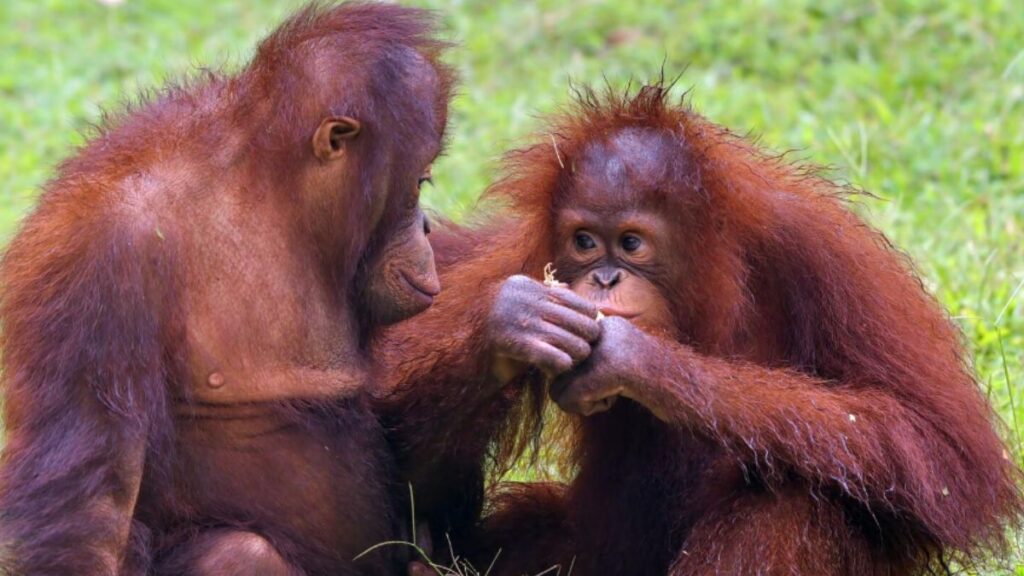
Introduction to Orangutans
Meet the orangutan, a remarkable creature that embodies the magic of the rainforest. With their intelligent eyes and expressive faces, these primates captivate anyone lucky enough to glimpse them in their natural habitat. Known for their long limbs and vibrant red fur, orangutans are not just beautiful; they are also incredibly smart and social animals.
These gentle giants can often be found swinging gracefully through treetops or lounging on branches high above the ground. They share our planet with us but face many challenges that threaten their existence. As we dive deeper into the world of orangutans, you’ll uncover fascinating facts about where they live, what they eat, and how they interact with one another.
Join us on this journey to explore everything from their unique physical traits to the pressing conservation efforts aimed at ensuring a future for these incredible beings!
Where do Orangutans Live?
Orangutans are found primarily in the tropical rainforests of Indonesia and Malaysia. They inhabit two main islands: Borneo and Sumatra. These lush environments provide the perfect backdrop for their arboreal lifestyle.
In Borneo, orangutans can be spotted in various protected areas, including national parks and wildlife reserves. The island boasts a diverse range of habitats from lowland forests to mountainous regions.
On Sumatra, they face more challenges due to habitat loss caused by deforestation. Still, pockets of wild orangutan populations exist within protected jungles.
These primates spend most of their time high up in trees, where they feel safest from predators. Their ability to adapt helps them thrive amid the rich biodiversity surrounding them while also highlighting the importance of conserving these precious landscapes.
Diet and Eating Habits of Orangutans
Orangutans are primarily frugivorous, meaning their diet mainly consists of fruit. They have a particular fondness for ripe figs, durians, and jackfruit. These fruits provide essential nutrients and energy necessary for their active lifestyle.
In addition to fruits, they consume leaves, bark, flowers, and insects. This diverse diet helps them adapt to different habitats within the tropical rainforests they inhabit.
They spend most of their time high in the trees foraging for food. Their long arms allow them to swing gracefully between branches as they search for tasty morsels.
Interestingly, orangutans exhibit tool use when gathering food. They may use sticks to extract honey from beehives or poke holes into tree trunks to access sap.
Their eating habits play a vital role in forest regeneration since they help disperse seeds through their droppings. Thus, these amazing animals contribute significantly to maintaining healthy ecosystems.
Physical Characteristics of Orangutans
Orangutans are remarkable creatures, easily recognized by their striking appearance. They possess long, shaggy reddish-brown fur that helps them blend into the lush canopies of their rainforest homes.
Adult males are particularly impressive, weighing up to 200 pounds and standing about four to five feet tall when upright. Their large size is complemented by powerful arms that span over seven feet, perfect for swinging from branch to branch.
Their facial features are equally distinctive. Males often develop cheek pads as they mature, which enhance their stature and play a role in attracting mates. Additionally, both sexes have expressive eyes that convey a range of emotions.
A unique trait among orangutans is their highly flexible shoulder joints. This adaptation allows for exceptional mobility in trees—essential for navigating the forest canopy where they spend most of their time.
Social Behaviors of Orangutans
Orangutans are fascinating creatures with rich social lives. Unlike many primates, they tend to be solitary. Adult males often prefer their own company, while females usually live with their young.
These animals communicate through a variety of vocalizations. They produce distinctive calls that can travel for miles in the dense rainforest, allowing them to maintain contact over long distances.
Mothers and offspring share a close bond. A baby orangutan stays with its mother for up to eight years, learning vital survival skills along the way.
When they do come together, it’s mostly during feeding or mating seasons. Social interactions can be fleeting yet significant in these moments.
Playtime is also essential for younger orangutans. They engage in playful activities that build strength and agility—skills important for navigating their arboreal habitat as adults.
Threats to the Orangutan Population
The orangutan population faces numerous threats that jeopardize their survival. Habitat loss is the most significant issue, primarily due to deforestation for palm oil plantations and logging. As forests vanish, these intelligent primates are left without homes.
Poaching also poses a serious risk. Illegal hunting not only reduces their numbers but disrupts social structures within communities. Young orangutans are often captured for the exotic pet trade, further diminishing wild populations.
Human-wildlife conflict escalates as habitats shrink. Encounters with humans can lead to injuries or deaths of these gentle creatures.
Additionally, climate change impacts their environment by altering food availability and increasing natural disasters like floods and fires. Each of these challenges continues to threaten the future of orangutans in the wild, making conservation efforts more crucial than ever.
Conservation Efforts for Orangutans
Conservation efforts for orangutans are crucial to their survival. Various organizations work tirelessly to protect their habitats from deforestation and illegal logging. Programs focus on reforestation, restoring areas where these magnificent creatures once thrived.
Partnerships with local communities also play a vital role. By educating residents about the importance of preserving orangutan populations, many initiatives empower them to be stewards of the land. This collaboration fosters sustainable practices that benefit both people and wildlife.
Sanctuaries provide safe havens for rescued orangutans, offering rehabilitation and care while preparing them for eventual release back into the wild when possible.
Innovative fundraising campaigns help support these efforts through eco-tourism and donations, creating awareness globally. Every action counts in ensuring a future where orangutans can thrive in their natural habitat without fear of extinction.
Fun Facts about Orangutans
Orangutans are incredibly intelligent primates. They have been observed using tools, such as sticks to extract termites from trees. This behavior showcases their problem-solving skills.
These amazing creatures spend most of their lives in trees, making them one of the few fully arboreal great apes. With long arms that can stretch up to 7 feet, they navigate through the canopy with ease.
Another fascinating fact is that orangutans share about 97% of their DNA with humans. This close genetic relationship highlights our shared evolutionary history.
Baby orangutans cling to their mothers for several years, learning essential survival skills during this time. Their strong maternal bonds play a crucial role in shaping their social behaviors.
Interestingly, orangutan populations can be found only on two islands: Borneo and Sumatra. Unfortunately, these habitats are rapidly disappearing due to deforestation and human activity.
The Role of Zoos in Preserving and Educating about Orangut
Zoos play a crucial role in the preservation of orangutans. Through breeding programs, they help maintain genetic diversity and support population recovery efforts. These initiatives are vital as wild populations face numerous threats.
Education is another pillar of a zoo’s mission. Visitors learn about the unique behaviors and habitats of orangutans through engaging exhibits and informative talks. This awareness fosters empathy for these incredible creatures.
Many zoos collaborate with conservation organizations to fund research and habitat protection projects in the wild. By connecting people to orangutans, zoos inspire action for their survival beyond their walls.
Interactive programs often allow visitors to experience close encounters with these primates. Such experiences create lasting impressions that can motivate individuals to advocate for wildlife conservation actively.
In essence, zoos serve as both sanctuaries and educational platforms dedicated to protecting orangutans’ future while enriching public understanding of their plight.
Conclusion
Orangutans are remarkable creatures that have captured the hearts and minds of many around the world. Their intelligence, social structures, and unique behaviors make them a vital part of our planet’s biodiversity. As we learn more about these incredible primates, it becomes increasingly clear that they face numerous challenges in their natural habitats.
Conservation efforts play an essential role in protecting orangutans from threats such as habitat loss and illegal hunting. By supporting organizations dedicated to preserving their environments, we can contribute to safeguarding these magnificent animals for future generations.
Whether visiting a zoo or participating in educational programs, everyone has a part to play in raising awareness about orangutan conservation. Fun facts and fascinating insights into their lives remind us why these creatures deserve our protection and respect.
The journey of understanding orangutans is ongoing, filled with discoveries waiting to be made. Let’s continue exploring ways to ensure that these wonderful beings thrive both in the wild and through human stewardship.