
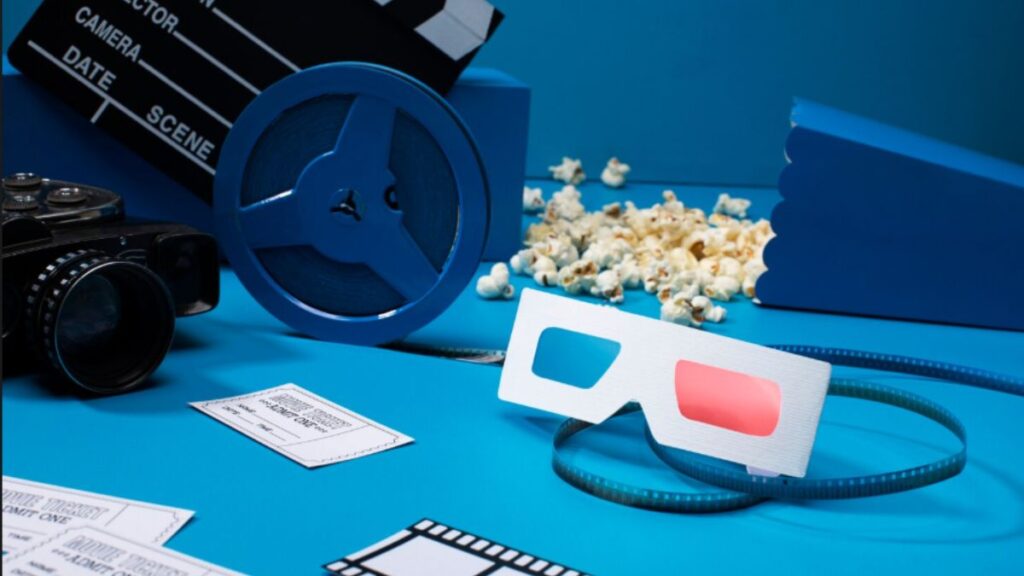
Introduction to MP4 Movies
The world of cinema is undergoing a seismic shift, and MP4 movies are at the heart of this transformation. With the rise of streaming platforms and digital downloads, traditional modes of film distribution are being challenged like never before. Gone are the days when audiences flocked to theaters as their only source for entertainment. Today, viewers enjoy immediate access to films right from their devices with just a few clicks.
This evolution raises exciting questions about how we experience storytelling on screen. Will physical media become obsolete? How do these changes affect filmmakers and distributors alike? As we dive into the intricacies of MP4 movies in shaping film distribution, we’ll explore both the history that brought us here and what lies ahead for this dynamic industry. Join us on this journey through time and technology as we uncover the future landscape of cinema!
The History of Film Distribution
Film distribution has a rich history that dates back to the early 20th century. Initially, films were shown in local theaters, relying heavily on physical prints shipped from studio to cinema. This method was time-consuming and limited access for many audiences.
As technology evolved, so did the distribution models. The introduction of television changed the landscape significantly. Films could reach home viewers much quicker than before, expanding their audience base dramatically.
With the rise of VHS in the 1980s and DVDs in the late 1990s, consumers gained unprecedented control over viewing habits. They could watch movies at their convenience rather than adhering to theater schedules.
The digital age ushered in a new era with online platforms gaining ground rapidly. Streaming services transformed how films are distributed and consumed, paving the way for global accessibility like never before.
The Impact of MP4 Movies in the Film Industry
MP4 movies have revolutionized the film industry in several ways. Their compact size and high-quality compression allow for easier storage and distribution. Filmmakers can now share their work without sacrificing quality, reaching audiences far beyond traditional theaters.
The rise of streaming platforms is another significant impact. Services like Netflix and Amazon Prime thrive on MP4 formats, changing how films are consumed. Viewers enjoy instant access to vast libraries from the comfort of home.
Independent filmmakers also benefit from this evolution. They can produce and distribute their projects more affordably, democratizing filmmaking. MP4 movies empower creators who might not have had a chance in the mainstream market.
Moreover, global accessibility has increased dramatically. A movie made in one country can be viewed across continents within moments, fostering cultural exchange through cinema like never before. This shift is reshaping narratives and expanding audience horizons.
Advantages and Disadvantages of MP4 Movies
MP4 movies have revolutionized how we consume films. Their compact size makes them easy to store and share. This efficiency allows users to download or stream content quickly, enhancing accessibility.
Another advantage is compatibility. Almost all devices support MP4 format, making it a universal choice for viewers. Whether on a smartphone, tablet, or laptop, you can enjoy your favorite films without hassle.
However, there are drawbacks too. Compression can lead to quality loss. While the file sizes are smaller, some intricate details may be sacrificed in high-resolution scenes.
Moreover, copyright issues plague MP4 distribution. Piracy becomes easier when files are easily shared across platforms. This creates challenges for filmmakers trying to protect their work.
Streaming services often rely on stable internet connections for playback. Buffering can disrupt the viewing experience if bandwidth fluctuates unexpectedly.
Changes in Audience Viewing Habits
The way audiences consume movies has transformed dramatically over the years. Traditional cinema visits are no longer the only option. With the rise of MP4 movies, viewers now enjoy greater flexibility in how and when they watch films.
Streaming services have changed everything. People can binge-watch entire seasons or catch up on their favorite films with just a few clicks. This shift toward on-demand content means that many prefer to stay at home instead of heading to a theater.
Mobile devices also play a significant role in this evolution. Watching MP4 movies on smartphones or tablets allows for viewing anytime, anywhere — from commuting to lounging on the couch.
Social media influences choices too. Recommendations and reviews shared online guide what people choose to watch next, making it easier than ever to discover new titles tailored to individual tastes.
Future Predictions for Film Distribution
The film distribution landscape is rapidly evolving, driven by advancements in technology. MP4 movies are at the forefront of this transformation. As streaming platforms gain dominance, traditional cinema experiences face challenges.
In the coming years, we may witness a shift towards hybrid release models. Theaters could share blockbuster launches with online premieres. This approach would cater to diverse audience preferences.
Moreover, artificial intelligence might play a crucial role. From personalized recommendations to targeted marketing strategies, AI can redefine how films reach viewers.
We can also expect an increase in localized content tailored for specific audiences around the globe. Filmmakers will tap into cultural nuances like never before.
As virtual reality and augmented reality technologies mature, immersive storytelling could change how films are consumed entirely. Audiences might feel more connected than ever to their favorite characters and stories through these innovative formats.
Conclusion
The landscape of film distribution is undergoing a dramatic transformation, largely influenced by the rise of MP4 movies. As this digital format continues to dominate, it reshapes how films are released and consumed worldwide.
With MP4’s ability to compress high-quality video into manageable files, filmmakers can reach audiences directly. This convenience benefits both independent creators and major studios alike. The shift towards online platforms allows for diverse content that caters to niche markets previously overlooked by traditional cinema.
Yet there are challenges too. While MP4 movies have made film more accessible, they also raise questions about quality versus quantity in storytelling. Audiences now navigate an overload of choices, leading some to wonder if cinematic experiences will lose their magic.
As we look ahead, it’s clear that technology will keep evolving. Streaming services may continue to thrive while theaters adapt or reinvent themselves as community hubs for immersive experiences rather than just venues for watching films.
MP4 movies stand at the forefront of these changes—shaping not only how we consume entertainment but also redefining what it means to be a filmmaker today. Embracing this evolution could unlock new possibilities in creative expression and audience engagement moving forward.