
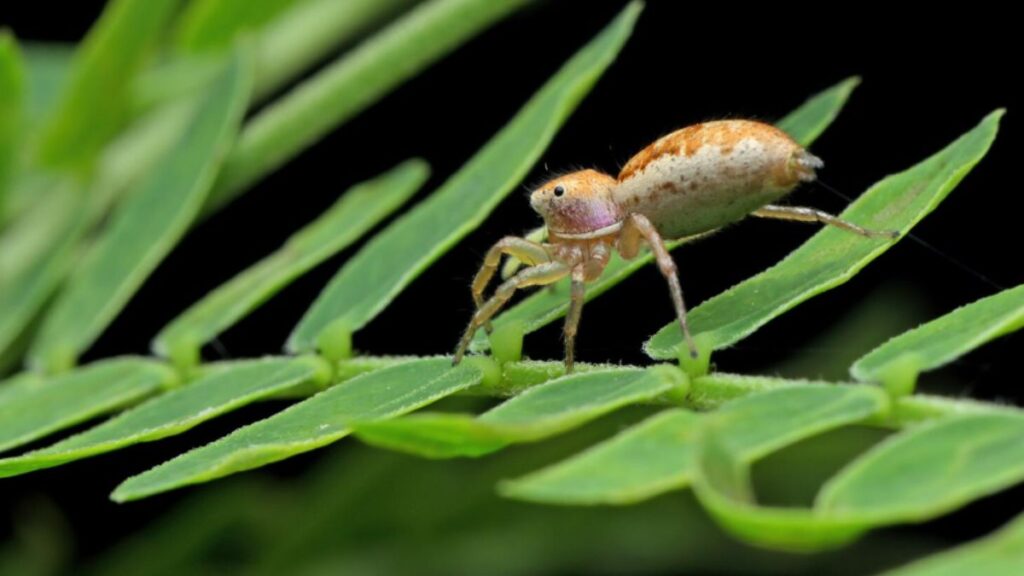
Introduction to Hermits and Their Importance in Biodiversity
Welcome to the fascinating world of Hormita! These intriguing creatures often go unnoticed, yet they play a crucial role in our ecosystems. From their unique adaptations to their significant contributions to biodiversity, Hormita are more than just curious beings; they are essential players in maintaining the delicate balance of nature.
As we delve into the diverse types of hermits and explore their characteristics, you’ll discover how these remarkable organisms impact their surroundings. They may be small, but their influence is mighty. Join us on this journey as we uncover the importance of Hormita and why protecting them is vital for our planet’s health. Prepare to see these creatures in a whole new light!
Different Types of Hermits and Their Characteristics
Hermits, often seen as mysterious beings of the natural world, come in various forms. Each type has unique traits that contribute to their ecosystems.
Aquatic hermit crabs are among the most widely recognized. These creatures don shells from marine snails and play a vital role in coastal environments. Their scavenging habits help keep ocean floors clean.
Terrestrial species differ significantly. Land hermit crabs prefer moisture-rich habitats and can be found scuttling across sandy beaches or lush forests. They also utilize discarded shells but have adapted to survive outside water, showcasing remarkable resilience.
Among insects, some beetles exhibit hermitic behaviors by living solitary lives under decaying wood or leaf litter. These tiny organisms might go unnoticed but are essential for nutrient cycling within their environment.
Each type of hermit reveals a different aspect of adaptation and survival, highlighting nature’s incredible diversity and complexity.
The Role of Hermits in Maintaining Ecosystem Balance
Hermits play a vital role in maintaining ecosystem balance. These unique creatures contribute significantly to nutrient cycling. As they scavenge for food, they break down organic materials. This process enriches the soil and promotes plant growth.
Moreover, hermit populations can influence species diversity. By providing shelter or serving as prey, they support various organisms within their habitat. Their presence helps maintain healthy food webs and encourages biodiversity.
Additionally, hermits can act as bioindicators of environmental health. Changes in their populations often signal shifts in ecosystem conditions, alerting us to potential problems that need addressing.
The interconnectedness of life forms means that every organism matters. Protecting hermits is essential for preserving the intricate web of life on our planet while ensuring ecosystems remain resilient against change.
Threats to Hermit Populations and Habitat
Hermits face numerous threats in their natural habitats. Habitat loss is among the most pressing issues. Urban development, agriculture, and deforestation strip these creatures of their homes.
Pollution also poses a significant risk. Contaminated water sources affect not only hermits but the entire ecosystem they support. Toxic substances can disrupt reproductive systems and lead to declining populations.
Climate change introduces additional challenges. Rising temperatures and shifting weather patterns alter food availability and habitat conditions. Many hermit species struggle to adapt quickly enough.
Furthermore, invasive species complicate matters by outcompeting native hermits for resources or introducing diseases. These pressures contribute to an increasingly fragile balance within ecosystems that rely on these fascinating beings.
Human activities inadvertently exacerbate these problems through overharvesting or collecting wild specimens for pets or souvenirs, further threatening the delicate stability of their populations and habitats.
Conservation Efforts for Hermits and Their Habitats
Conservation efforts for Hormita are essential to preserving their habitats and ensuring their survival. Various organizations work tirelessly to raise awareness about these fascinating creatures and the ecosystems they inhabit.
Habitat restoration projects aim to revive areas that have been degraded by human activity. Replanting native vegetation helps restore food sources and shelter for Hermits.
Public education campaigns play a crucial role in conservation. Schools, community groups, and online platforms inform people about the importance of Hormita in biodiversity. Knowledge empowers action, fostering a culture of respect towards all living beings.
Partnerships with local communities also enhance conservation initiatives. Involving residents promotes stewardship of natural resources while boosting local economies through sustainable practices.
Research on Hormita populations continues to provide valuable insights. Understanding their needs allows scientists and activists alike to create targeted strategies that protect not only the species but entire ecosystems as well.
The Future of Hermits and Biodiversity
The future of hermits, or hormita, hinges on our collective actions today. As habitats change due to climate shifts, these creatures face unprecedented challenges.
Their survival depends on healthy ecosystems that support diverse life forms. Protecting their environments is crucial for maintaining biodiversity as well.
Innovative conservation strategies are emerging globally. These initiatives focus on habitat restoration and the establishment of protected areas specifically designed for hermit populations.
Public awareness plays a vital role too. Educating communities about the significance of hermits can foster local stewardship efforts.
Research into their behaviors and ecological roles continues to grow, revealing new insights that might aid in their preservation efforts.
With concerted action and a commitment to sustainability, we can pave the way for healthier ecosystems where hermits thrive alongside other species.
Conclusion
Understanding the role of Hormita in our ecosystems is essential as they are key players in maintaining biodiversity. These creatures, whether they be hermit crabs or other forms of life that shelter within shells, contribute significantly to the balance within marine and terrestrial environments.
As we learn more about different types of Hormita, it becomes clear how their unique characteristics enable them to thrive in various habitats. Their behavior not only aids their survival but also supports other species by providing nutrients and promoting a healthy ecosystem.
However, threats such as habitat destruction and climate change pose significant risks to these populations. It’s crucial that we continue advocating for conservation efforts aimed at protecting both Hormita and their natural environments.
The future may depend on our actions today—ensuring that these fascinating organisms can continue to flourish alongside us. By appreciating the intricate connections between all living beings, we can work towards a healthier planet where biodiversity thrives for generations to come.