
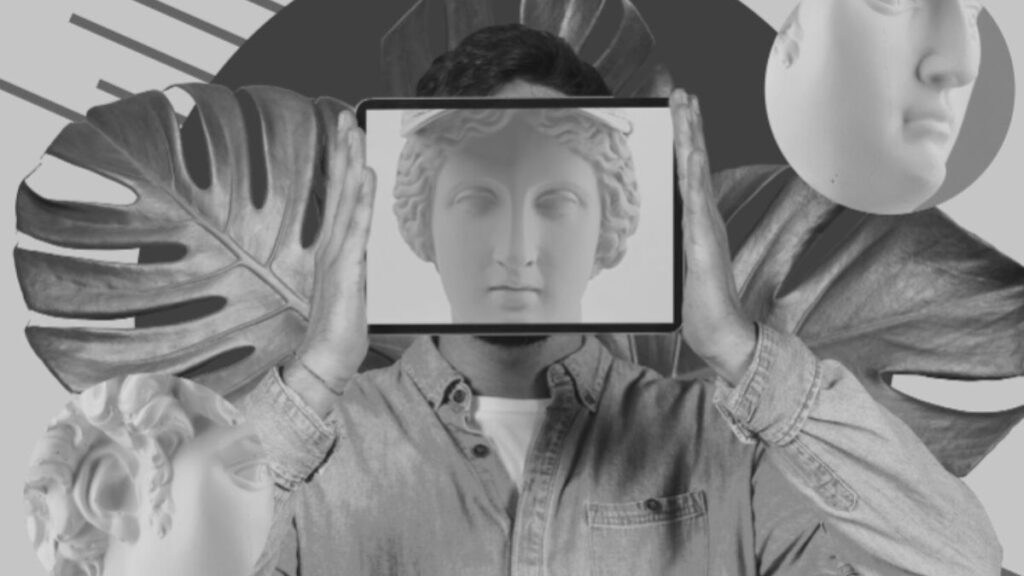
Introduction to Dichosity in Art
Art has always been a playground for exploration and expression. Among the many elements that breathe life into a piece, contrast stands out as a powerful tool. Enter dichosity—a concept that embodies the striking interplay between opposites in art. This fascinating idea transcends mere aesthetics; it shapes narratives, evokes emotions, and captivates viewers’ attention.
From bold color clashes to conflicting themes, dichosity challenges our perceptions and invites us to engage more deeply with visual works. As we journey through its history and definitions, we’ll uncover how artists have harnessed this dynamic force throughout time. With each stroke or sculptural twist, they reveal layers of meaning that resonate far beyond their immediate visuals.
So let’s dive into the rich tapestry of dichosity in art—where contrasts not only coexist but thrive in an exquisite dance that enhances visual expressions across cultures and eras.
The History of Dichosity in Art
Dichosity in art has a rich and varied history, tracing back to ancient civilizations. Early artworks often used contrasting colors and shapes to convey depth and emotion.
During the Renaissance, artists like Caravaggio mastered chiaroscuro, creating dramatic contrasts between light and shadow. This technique heightened emotional intensity in their compositions.
The Baroque period further embraced dichosity. Artists explored dynamic tension through opposing forms. The use of contrast became synonymous with storytelling in visual art.
In the 19th century, Impressionists introduced new perspectives on color contrast. They broke from tradition, focusing on the interplay of light rather than strict outlines.
As modern art evolved, abstractionists such as Mondrian emphasized pure geometric forms coupled with stark contrasts. Their work pushed boundaries while redefining how we perceive balance in artistry.
This historical journey illustrates that dichosity is not merely an aesthetic choice; it’s a powerful tool for communication within visual expression across time periods.
Defining Dichosity and Contrast
Dichosity is a fascinating concept in art, deeply rooted in the idea of contrast. It captures the essence of duality within visual expression.
At its core, dichosity refers to the interplay between opposing elements. This can be light versus dark, vibrant colors against muted tones, or smooth textures clashing with rough surfaces. Each combination creates tension and interest.
Contrast serves as a powerful tool for artists. It draws attention and evokes emotions. By juxtaposing different aspects, artists can guide viewers’ eyes across their work.
This tension often reflects deeper themes—chaos versus order or joy contrasted with sorrow. Such contrasts resonate on multiple levels, inviting viewers to explore beyond the surface.
Understanding dichosity enriches our appreciation of art’s complexity and depth.
The Use of Contrast in Traditional Art Forms
Contrast in traditional art forms is a vital element that enhances visual storytelling. Artists have long utilized light and dark, vibrant versus muted colors, and varying textures to create depth.
In paintings, chiaroscuro techniques allow for dramatic interplay between shadow and illumination. This method enriches the emotional resonance of a piece.
Sculptors often play with contrasting materials—such as smooth marble against rough stone—to evoke tactile experiences that engage viewers on multiple levels.
In textiles, artists weave together fabrics of differing weights or patterns to create striking visual narratives that draw the eye.
Even in architecture, contrast manifests through bold lines juxtaposed with organic shapes. These elements work harmoniously to captivate observers while conveying complex ideas about space and structure. Each traditional medium offers unique avenues for exploring dichosity as an essential component of artistic expression.
Modern Interpretations of Dichosity in Art
Modern interpretations of dichosity in art embrace a vast range of styles and mediums. Artists today experiment with digital tools, blending traditional techniques with innovative technology. This fusion allows for striking contrasts that capture the viewer’s attention.
Street artists often use bold colors against muted backgrounds to convey social messages. Their work disrupts the urban landscape, creating dialogues between chaos and calm.
In contemporary galleries, installations utilize light and shadow to evoke emotions or provoke thought. These spatial contrasts invite viewers to interact with their surroundings in new ways.
Photography has also evolved as a medium for exploring dichosity. High-contrast images can tell stories at a glance, creating dramatic narratives from everyday scenes.
Artists now harness social media platforms to showcase their contrasting visions, reaching broader audiences than ever before. This accessibility fosters diverse interpretations of dichosity across cultures and communities.
How Artists Can Incorporate Contrast into Their Work
Artists can explore contrast in various ways. Color is a powerful tool. Juxtaposing warm and cool hues creates visual tension that draws the viewer’s eye.
Texture adds another layer of complexity. Combining smooth surfaces with rough ones invites touch and engagement. This interplay can evoke emotions, making the artwork resonate more deeply.
Scale also plays a crucial role. Large elements against small details create dramatic impact, guiding focus through the piece.
Incorporating light and shadow can further enhance contrast. The play between illumination and darkness sets moods, adding depth to compositions.
Consider form and content. Abstract shapes next to realistic portrayals challenge perception while sparking curiosity about meaning within the work. Each method offers endless possibilities for artists eager to embrace dichosity in their creations.
Conclusion: The Impact of Contrast in Visual Expression
Contrast plays a crucial role in visual expression. It serves as a powerful tool that artists can wield to evoke emotion, create focus, and enhance storytelling within their work. The interplay between light and shadow, color and monochrome, or rough and smooth textures invites viewers to engage more deeply with the art.
Dichosity elevates this dynamic experience by emphasizing differences. Whether through traditional mediums like painting or modern digital creations, the principle of contrast remains relevant. Artists who master dichosity enrich their compositions and connect better with their audience.
As we reflect on the impact of contrast in art, it becomes clear that this element not only shapes aesthetics but also influences perception. A well-crafted piece using dichosity resonates on multiple levels—challenging us to see beyond what is presented at first glance. In essence, embracing contrast allows for a richer visual language that speaks volumes about the human experience.