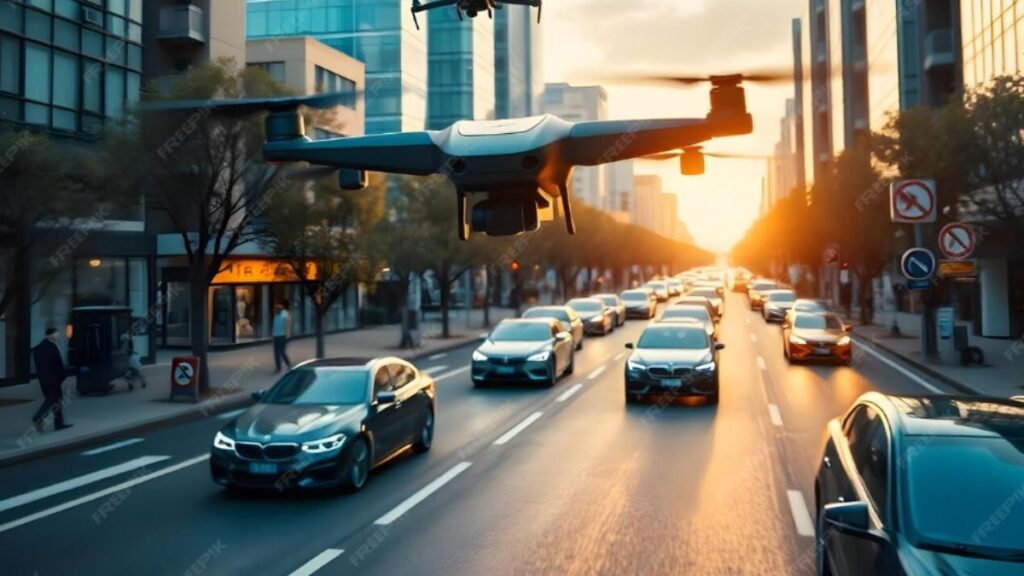
The skies above our bustling cities may soon become just as congested as the streets below. Urban air mobility is taking off, and Aerient stands at the forefront of this exciting transformation. Imagine a world where commuting means soaring through the air instead of being stuck in traffic for hours on end. This innovative concept is not just a distant dream; it’s rapidly becoming reality, with companies like Aerient leading the charge.
As urban populations continue to grow, traditional transportation methods struggle to keep pace. The need for efficient travel solutions has never been more urgent. Enter Aerient—a pioneering company that aims to revolutionize how we think about urban transport by harnessing cutting-edge technology and sustainable practices. Whether you’re a city dweller or an aviation enthusiast, there’s much to explore in this new era of aerial commuting.
Join us as we delve into what urban air mobility entails and how Aerient’s vision could reshape our daily lives while tackling some key challenges along the way. Buckle up; it’s going to be quite a ride!
What is Urban Air Mobility?
Urban air mobility (UAM) refers to the use of innovative aircraft to transport people and goods within urban environments. This concept aims to alleviate ground congestion while providing a faster, more efficient means of travel.
Imagine hopping into a flying taxi for your daily commute or receiving packages delivered by drones overhead. UAM is all about creating seamless connections above city landscapes.
By utilizing electric vertical takeoff and landing (eVTOL) vehicles, UAM promises reduced noise pollution and lower carbon emissions. These aircraft can operate in smaller spaces than traditional helicopters, making them ideal for densely populated areas.
Cities worldwide are exploring this potential as they seek sustainable solutions for increasing populations. The integration of UAM into urban infrastructure could redefine transportation dynamics, opening up new possibilities for commuters and businesses alike.
The Rise of Aerient and its Vision for the Future
Aerient is poised to revolutionize urban air mobility. Founded on the belief that transportation should be efficient and accessible, this innovative company aims to reshape how we navigate congested cities.
At its core, Aerient envisions a future where air travel becomes as routine as hopping on a bus or train. By developing advanced vertical takeoff and landing (eVTOL) aircraft, they strive for seamless integration into existing infrastructures.
Their commitment extends beyond just technology; Aerient focuses on sustainability. Electric propulsion systems are central to their designs, reducing carbon footprints while enhancing noise reduction in urban environments.
Through strategic partnerships with city planners and regulatory bodies, Aerient is paving the way for a holistic approach to aerial transportation. Their vision encapsulates not merely flying from point A to B but reimagining entire cityscapes through aerial connectivity. Such aspirations could redefine daily commutes for millions worldwide.
How Aerient is Changing the Game in Urban Air Travel
Aerient is at the forefront of revolutionizing urban air travel. Its innovative approach combines cutting-edge technology with a focus on sustainability, transforming how people navigate congested cities.
By leveraging electric vertical takeoff and landing (eVTOL) aircraft, Aerient offers an eco-friendly alternative to traditional transportation methods. These vehicles are designed for efficiency and minimal environmental impact.
Their user-friendly app simplifies booking flights, making air travel accessible to everyone. Passengers can expect seamless experiences that rival ground-based transport options.
Collaboration with city planners ensures that infrastructure keeps pace with this new mode of transit. Aerient envisions vertiports integrated into urban landscapes, enhancing connectivity while reducing congestion below.
As more individuals embrace aerial commuting, Aerient’s influence will likely expand rapidly across major metropolitan areas worldwide. The future of getting from point A to B may be soaring high above us sooner than we think.
Benefits and Challenges of Urban Air Mobility
Urban air mobility offers numerous benefits that can transform how we navigate cities. One major advantage is reduced traffic congestion. With flying vehicles, commuters can bypass gridlocked roads and reach their destinations faster.
Efficiency is another key factor. Urban air travel has the potential to significantly cut down travel times, allowing for more productive use of time during commutes.
However, challenges accompany these advancements. Noise pollution poses a significant concern for densely populated areas. The whirring of multiple aircraft could disrupt residential tranquility.
Infrastructure also needs attention. Cities must adapt existing frameworks to accommodate vertiports and charging stations for electric aerial vehicles.
Public acceptance remains uncertain too. Many people may be wary of safety issues or simply uncomfortable with the idea of sharing airspace with drones and flying taxis.
Balancing innovation with community concerns will be vital as urban air mobility continues to evolve.
Safety and Regulations: Ensuring a Smooth Transition
The transition to urban air mobility hinges on robust safety measures and clear regulations. As companies like Aerient push boundaries, the aviation industry must adapt swiftly.
Safety protocols will be paramount. Advanced technology in aircraft design is essential for minimizing risks. This includes redundant systems that can handle unexpected failures.
Regulatory bodies are already stepping up their game. They are crafting guidelines specific to urban air travel, focusing on everything from pilot training to air traffic management.
Public acceptance also plays a critical role. Transparency about safety features and regulatory compliance will help build trust among potential users.
A collaborative approach between innovators and regulators can pave the way for safe operations in busy urban landscapes. It’s not just about flying; it’s about doing so responsibly while prioritizing community well-being.
The Impact on Transportation and City Planning
Urban air mobility is set to redefine the way we navigate our cities. With Aerient leading the charge, traditional transportation methods may soon become obsolete. Imagine a network of aerial routes connecting key points in urban areas, drastically reducing commute times.
City planners will need to rethink infrastructure. Vertiports could emerge as essential hubs alongside existing transit systems. This integration can enhance accessibility and provide seamless travel experiences for residents.
Moreover, reduced ground traffic could lead to cleaner air quality. Fewer vehicles on roads mean less congestion and lower emissions, aligning with sustainability goals many cities are striving for.
However, it also raises questions about land use and zoning regulations. Cities must balance new technologies with community needs while ensuring that development remains equitable and inclusive for all citizens. The future of urban mobility hinges not just on innovation but also on thoughtful planning that considers every stakeholder involved.
Conclusion: The Exciting Future of Urban Air Mobility with Aerient
The future of urban air mobility is on the horizon, and Aerient is leading the charge. With innovative designs and cutting-edge technology, they are redefining how we think about travel within our cities. Imagine commuting over traffic jams or reaching your destination in a fraction of the time it currently takes. This vision isn’t just a dream; it’s becoming increasingly feasible.
As Aerient continues to pave the way for aerial transportation, we’re witnessing significant changes in urban planning and infrastructure development. Cities will need to adapt, creating vertiports and integrating air travel into their existing public transport systems. The collaboration between various stakeholders will be essential in making this transition smooth.
Urban air mobility promises numerous benefits — reduced congestion, improved accessibility, and faster transit times among them. However, challenges remain that must be addressed through careful regulation and safety measures to ensure public trust in this new mode of transport.
Aerient stands at the forefront of these advancements with a clear vision that prioritizes not just efficiency but also sustainability. As technological innovations unfold, cities around the world might soon find themselves transformed by an aerial layer of connectivity unlike anything we’ve seen before.
The journey towards embracing urban air mobility is just beginning, but with companies like Aerient pushing boundaries every day, there’s much to look forward to as our skies become part of everyday commutes.