
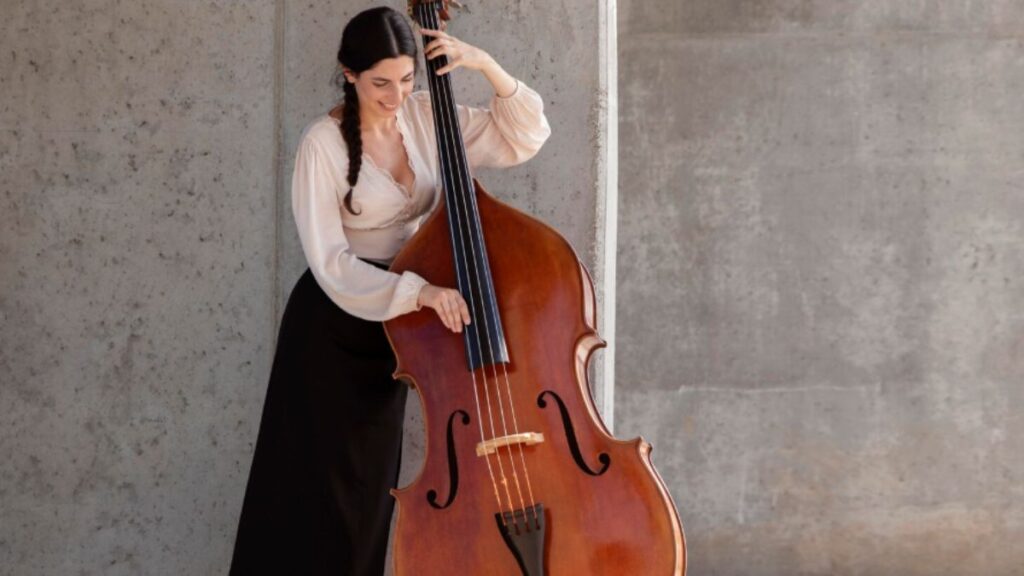
Introduction to Cello Styles
The cello, with its rich tones and expressive range, has captivated audiences for centuries. From the ornate halls of Baroque music to the vibrant beats of contemporary genres, this versatile instrument offers a fascinating journey through time. Each style tells a story, revealing how cellists have pushed boundaries and embraced innovation throughout history. Whether you’re an aspiring musician or just curious about the world of strings, exploring these different cello styles will deepen your appreciation for this incredible instrument. Let’s dive into the sounds that define each era and discover how they shape modern playing today!
The Baroque Era: Characteristics and Famous Cellists
The Baroque era, spanning from the late 16th to the mid-18th century, marked a pivotal time for cello development. During this period, composers began to recognize the instrument’s expressive potential.
Cellists often played using gut strings and baroque bows. This setup created a warm tone with rich overtones that perfectly suited the ornate textures of Baroque music.
Famous cellists like Giovanni Battista Pergolesi and Antonio Vivaldi contributed significantly during this time. Their compositions showcased intricate melodies and complex harmonies that highlighted the cello’s capabilities.
Notably, Johann Sebastian Bach composed six suites for solo cello that remain staples in today’s repertoire. These works reflect not only technical skill but deep emotional resonance, embodying the spirit of Baroque artistry.
As musicians embraced these innovations, they laid essential groundwork for future generations of cellists to explore their craft further.
Classical Period: Evolution of Cello Playing
The Classical period, spanning from the mid-18th to early 19th century, marked a significant transformation in cello playing. Composers like Haydn and Mozart began to embrace the instrument’s full range of expressive capabilities.
Cellists started shifting away from baroque techniques, emphasizing clarity and precision instead of ornamentation. This shift allowed for a more lyrical style that showcased the cello’s warm tone.
During this time, notable figures such as Luigi Boccherini emerged. His compositions highlighted both technical skill and emotional depth. The development of new bowing techniques further enhanced performance possibilities.
Sonatas and concertos became central works during this era, pushing cellists to explore intricate harmonies and melodies. The evolution continued with virtuosos like Domenico Dragonetti who expanded the cello repertoire significantly.
This period laid crucial groundwork for future styles by nurturing an appreciation for expression through structure in cello music.
Romanticism and the Cello: Expressive and Emotional Playing
Romanticism transformed the cello into a vessel for deep emotion and personal expression. Composers like Johannes Brahms and Antonín Dvořák embraced its rich timbre, allowing it to convey intense feelings.
Cellists began exploring dynamic contrasts, using varied bow techniques to enhance expressiveness. Vibrato became more pronounced, adding warmth and depth to each note. This era emphasized individuality in playing style.
The music of this time often featured sweeping melodies that evoked longing or nostalgia. The cello’s ability to mimic the human voice made it a perfect choice for conveying complex emotions.
Performances were infused with passion as players sought to connect with their audiences on a profound level. These innovations not only shaped the sound of the cello but also opened doors for future generations of musicians seeking emotional resonance in their art.
20th Century and Beyond: Modern Techniques and Innovations
The 20th century brought a wave of transformation in cello playing. Musicians began to explore new techniques that pushed the boundaries of traditional styles.
Extended techniques emerged, such as harmonics and sul ponticello, creating unique textures and sounds on the instrument. This experimentation allowed cellists to express themselves in innovative ways.
Notable composers like Pierre Boulez and Leonard Bernstein wrote pieces that challenged performers and expanded their technical skill sets. The incorporation of jazz elements into classical performance introduced an entirely fresh perspective.
Cellists also started using technology to enhance their music-making process. Electric cellos became popular, allowing for amplification and effects that were never before possible.
With collaborations across genres—from rock to pop—the cello has carved its niche firmly within contemporary music landscapes, making it more versatile than ever before. These innovations continue to inspire both seasoned players and newcomers alike.
Contemporary Cello Music: Exploring New Sounds and Genres
Contemporary cello music pushes boundaries in exciting ways. Today’s composers and musicians explore various genres, from jazz to electronic.
Collaborations are a hallmark of this era. Cellists team up with artists from different backgrounds, blending traditional techniques with fresh influences. These partnerships create unique sounds that redefine what the cello can do.
Improvisation also plays a significant role. Many contemporary cellists embrace spontaneity during performances, allowing for personal expression and interaction with audiences.
The rise of technology has opened new avenues too. Electric cellos and effects pedals enable players to experiment further, creating layers of sound previously thought impossible.
This dynamic landscape invites both seasoned players and novices to think outside the box. Whether through original compositions or reinterpretations of classics, contemporary cello music remains vibrant and ever-evolving.
Conclusion and How to Incorporate Different Styles in Your Playing
Exploring the diverse styles of cello offers a rich journey through history and music. Each era brings its own flavor, from the intricate textures of Baroque to the emotional depth found in Romantic pieces. As modern techniques have emerged, they continue to expand what is possible on this versatile instrument.
To incorporate these various styles into your playing, start by listening intently to recordings from each era. Pay close attention to how cellists interpret their pieces—notice their vibrato, articulation, and phrasing. Try replicating these techniques with your own touch.
Practice regularly using exercises that highlight specific stylistic elements. For example, work on Baroque bowing techniques or explore contemporary rhythms by experimenting with different genres like pop or jazz. Consider collaborating with other musicians who specialize in different styles; this can open new avenues for creativity.
Most importantly, keep an open mind as you explore these various influences. Allow yourself to be inspired by what resonates with you personally while also embracing what challenges you as a musician. This combination will not only enhance your skills but also enrich your overall musical expression on the cello.