
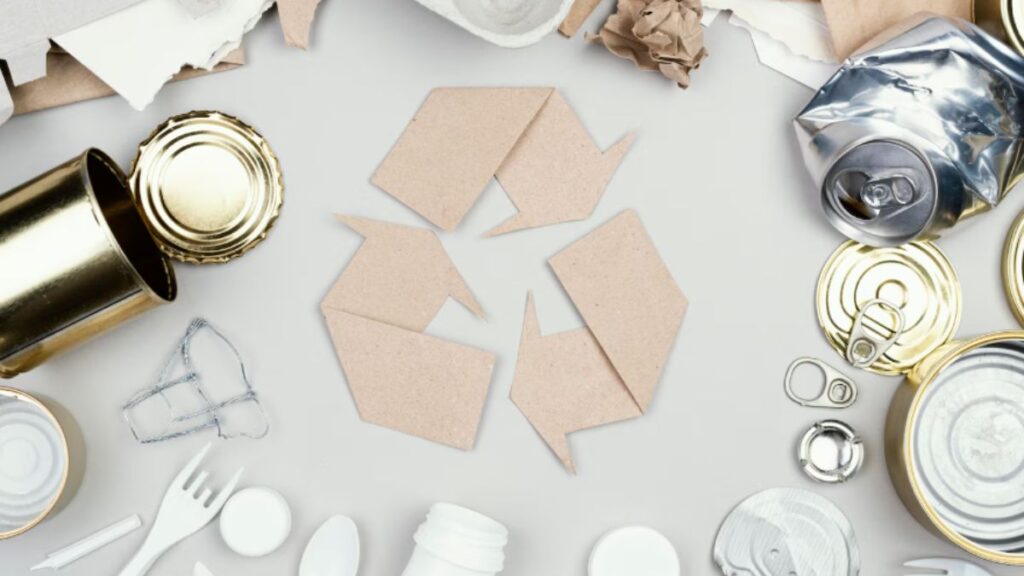
Introduction to Recyclatanteil
Every day, we make countless choices about the products we use. From the soap that cleans our hands to the packaging around our favorite snacks, many of these items contain a hidden hero: recyclate. This term might sound technical, but it’s crucial for anyone wanting to reduce their environmental footprint. The recyclatanteil—essentially the proportion of recycled materials in a product—is becoming increasingly important as consumers seek sustainable options.
As awareness grows about plastic waste and resource depletion, understanding what recyclatanteil means can empower us to make smarter purchasing decisions. In this blog post, we’ll explore its benefits, dispel some common myths surrounding recyclable content, and offer practical tips on how you can easily incorporate more recyclable products into your daily life. Whether you’re an eco-warrior or just curious about sustainability trends, there’s something here for everyone eager to embrace change!
The Benefits of Using Recyclate in Everyday Products
Using recyclate in everyday products offers numerous advantages that positively impact both consumers and the planet. It reduces the demand for virgin materials. This conserves natural resources and minimizes environmental degradation.
Moreover, incorporating recyclate can lessen energy consumption during production processes. Recycled materials often require less energy to transform compared to raw inputs, leading to lower carbon emissions.
Another notable benefit is cost-effectiveness. Products made with a higher percentage of recyclate can be more affordable since they utilize pre-existing materials rather than sourcing new ones.
Additionally, choosing items with high recyclatanteil supports sustainable practices within industries. It encourages manufacturers to adopt eco-friendly approaches and invest in circular economies.
Using products containing recyclate raises awareness among consumers about sustainability issues while promoting responsible consumption habits. Every purchase sends a message about what values we prioritize as individuals and as a society.
Common Misconceptions and Concerns about Recyclate
Many people hold misconceptions about recyclate that can hinder its acceptance. One common belief is that products made from recyclate are of lower quality than their virgin counterparts. However, advancements in technology have dramatically improved the performance and durability of recycled materials.
Another concern involves safety. Some worry that recycled plastics might leach harmful chemicals into food or beverages. In reality, strict regulations govern the use of recyclate in food packaging, ensuring consumer safety.
Some consumers also question the effectiveness of recycling processes themselves. They wonder if using recyclate truly reduces environmental impact. The answer is yes; utilizing recycled materials significantly cuts down on waste and conserves resources, making a positive difference in our ecosystems.
Addressing these concerns with accurate information can help foster a more sustainable mindset toward everyday products containing recyclatanteil.
How to Identify Products with High Recyclatanteil
Identifying products with a high Recyclatanteil can be straightforward if you know what to look for. Start by checking the labels. Many manufacturers are now highlighting their use of recyclate on packaging.
Look for certification symbols or eco-labels that indicate sustainability practices. These marks often signify a commitment to using recycled materials.
Don’t hesitate to research brands online. Companies that prioritize sustainability often share details about their sourcing and manufacturing processes.
You might also find information in product descriptions on e-commerce sites, where transparency is becoming more common.
Consider connecting with local environmental groups or forums focused on sustainable living. They can provide insights into which brands lead the way in incorporating recyclate into their products.
Tips for Incorporating More Recyclate into Your Daily Life
Start by making small changes in your shopping habits. Look for products labeled with a high recyclatanteil. These items often come from brands committed to sustainability.
Consider upcycling everyday materials at home. Glass jars can become storage containers, while cardboard boxes can serve as organizers. This not only reduces waste but also sparks creativity.
When it’s time for new purchases, prioritize companies that use recycled content in their packaging and products. Many brands are now transparent about the percentage of recyclate they incorporate.
Participate in local recycling programs or initiatives within your community. Engaging with others who share similar values can inspire you to explore even more eco-friendly options.
Educate yourself and those around you about the importance of recyclatanteil. Share tips on social media or host workshops to encourage sustainable practices among friends and family.
The Future of Recyclatanteil and the Environment
The future of Recyclatanteil holds immense promise for our environment. As awareness about sustainability grows, manufacturers are increasingly integrating recyclate into their products. This shift can significantly reduce the demand for virgin materials.
Innovative technologies are emerging that enhance the quality and usability of recycled materials. These advancements make it easier to produce high-quality goods using lower resources.
Consumer preferences will also shape this landscape. More individuals seek eco-friendly options, pushing companies to adopt greener practices in their production processes.
Governments around the world are recognizing the importance of recycling initiatives and implementing policies that encourage higher recyclatanteil in everyday products.
As collaboration between businesses, consumers, and policymakers strengthens, we may witness a substantial transformation in how we use resources—and ultimately protect our planet’s health for generations to come.
Conclusion
Recyclatanteil is more than just a buzzword; it represents a significant shift towards sustainable living. As consumers become increasingly aware of their choices, the demand for products with high recyclate content continues to rise. By understanding what recyclatanteil means and recognizing its importance, we can make informed decisions that positively impact our planet.
Choosing products made from recycled materials not only helps reduce waste but also encourages manufacturers to invest in eco-friendly practices. Although misconceptions about quality and safety persist, many high-quality options are available today.
Identifying items with a substantial recyclatanteil might require some effort at first, but it’s worth it. Look for labels and certifications that highlight recycled content. Small changes in your daily routine can lead to meaningful outcomes over time.
As technology advances and recycling processes improve, the future looks promising for recyclate use across various industries. The integration of more sustainable materials into everyday products will contribute significantly to environmental conservation efforts.
Making conscious choices regarding recyclate usage serves as an empowering step toward a healthier planet. Embracing this shift fosters a culture of sustainability that benefits everyone now and for generations to come.