
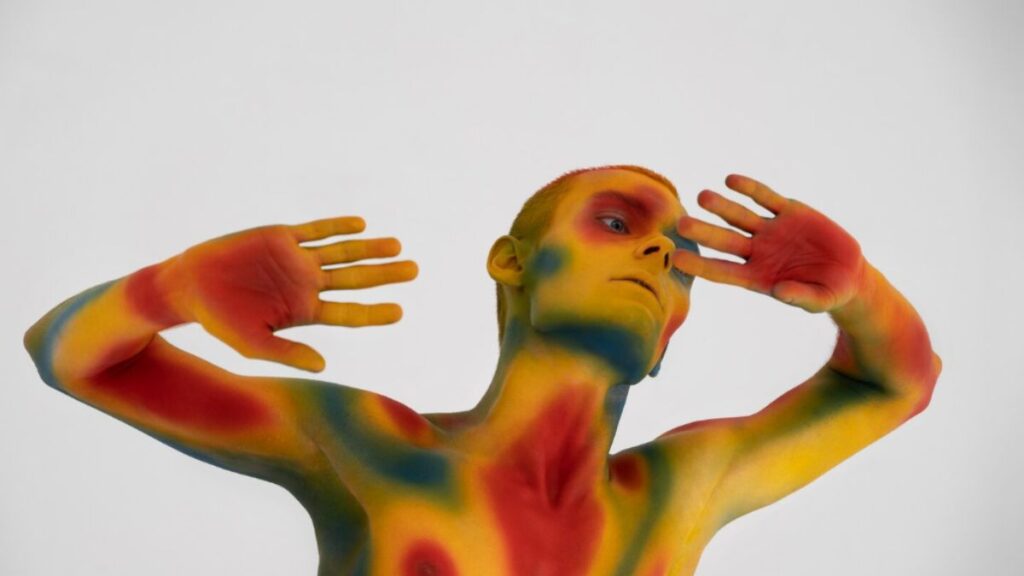
Introduction to Jyokyo
Art is a powerful medium that transcends boundaries, emotions, and cultures. Among the myriad of expressions in the art world, Jyokyo stands out as a captivating force reshaping contemporary creativity. With its roots steeped in history and tradition, Jyokyo offers a fresh lens through which we can explore modern artistic narratives.
This unique style has evolved over time, influencing artists and movements across the globe. As we delve into the essence of Jyokyo, we’ll uncover its historical origins and how it continues to inspire new generations of creators today. Join us on this journey to discover how Jyokyo shapes not only artworks but also our understanding of culture and identity in an ever-changing world.
History and Origins of Jyokyo in Art
Jyokyo, a captivating artistic movement, traces its roots back to ancient Japan. Emerging during the Edo period, it reflects a fusion of traditional aesthetics with innovative ideas. Artists sought to convey deeper meanings through simplicity and subtlety.
The term “Jyokyo” itself underscores the importance of capturing fleeting moments in art. This philosophy resonates deeply within Japanese culture, where nature’s transient beauty plays a vital role.
As artists began experimenting with various mediums and techniques, Jyokyo evolved into something unique. It challenged conventional forms while embracing minimalism. The use of space became as crucial as the artwork itself.
Through time, Jyokyo has maintained its essence yet adapted to new influences and trends. Its origins continue to inspire contemporary creators who seek connection between past traditions and modern expressions.
The Influence of Jyokyo on Contemporary Art Movements
Jyokyo has woven itself into the fabric of contemporary art, influencing diverse movements across the globe. Artists draw inspiration from its intricate forms and emotive expressions, pushing boundaries in their own work.
The fluidity of Jyokyo invites experimentation. Many modern creators blend traditional techniques with innovative materials, creating a dialogue between past and present. This fusion often results in striking visual narratives that resonate deeply with audiences.
Furthermore, Jyokyo’s core themes—transience and nature—find echoes in minimalist and conceptual art today. These ideas challenge artists to reflect on their surroundings while inviting viewers to experience profound connections with their environment.
As artists continue to explore these elements, they cultivate an ever-evolving landscape rooted in cultural heritage yet relevant to contemporary discourse. The enduring essence of Jyokyo remains a vital source of creativity for those seeking depth and meaning through artistic expression.
Examples of Jyokyo Artworks and Artists
Jyokyo is rich with diverse expressions, showcasing a blend of traditional and contemporary influences. One notable artist is Takashi Murakami, whose vibrant works often incorporate elements of Jyokyo’s aesthetics. His signature style merges pop culture with classical Japanese themes.
Another prominent figure is Yoshitomo Nara. He uses simple yet impactful imagery that reflects innocence intertwined with darker undertones. Nara’s art resonates deeply within the Jyokyo tradition while pushing boundaries in modern contexts.
In street art, artists like Katsu demonstrate how Jyokyo can take on urban forms. Their bold murals capture the spirit of this artistic movement in dynamic ways, making it accessible to wider audiences.
These examples illustrate how various artists channel their creativity through the lens of Jyokyo, each adding layers to its evolving narrative and expanding its reach across cultures.
Cultural Significance and Symbolism in Jyokyo Art
Jyokyo art is rich with cultural significance and deep symbolism. Each piece tells a story, reflecting traditions and philosophies that resonate through generations.
Nature often plays a pivotal role in these artworks. Elements like water, mountains, and flora symbolize tranquility and the interconnectedness of all life forms.
Colors also carry weight; for instance, red can signify passion or danger while blue evokes calmness or melancholy. Artists carefully choose hues to convey emotions.
Moreover, Jyokyo artists frequently draw inspiration from historical narratives. These references create layers of meaning that invite viewers to explore not just the artwork but their own cultural roots.
The use of space within compositions speaks volumes as well—often suggesting balance between chaos and harmony in our lives. Through every brushstroke or sculpted form, Jyokyo captures the essence of human experience intertwined with nature’s beauty.
How Jyokyo Continues to Evolve and Inspire Artists Today
Jyokyo remains a vibrant force in the art world, constantly evolving and inspiring new generations of artists. Its rich history serves as a canvas for innovation, where traditional techniques meet modern ideas.
Artists today are experimenting with Jyokyo’s principles, blending them into various forms like digital art and installations. This fusion breathes fresh life into the genre.
Social media platforms have amplified this movement, allowing creators to share their interpretations globally. As they reinterpret Jyokyo through personal lenses, diverse perspectives emerge.
The dialogues surrounding identity and culture continue to grow deeper within this framework. Emerging artists are not just replicating; they’re challenging norms and pushing boundaries.
As contemporary society shifts, so does Jyokyo’s relevance—adapting to reflect current issues while maintaining its core essence. The result is an ever-evolving narrative that captivates audiences everywhere.
Conclusion: The Enduring Impact of Jyokyo on Contemporary Art and Society
The enduring impact of Jyokyo on contemporary art and society is undeniable. This unique approach to artistic expression continues to resonate with both artists and audiences across the globe. Its roots in history provide a rich context, while its evolution keeps it dynamic and relevant.
Today’s artists draw inspiration from Jyokyo’s principles, blending traditional techniques with modern themes. As they navigate personal narratives and cultural dialogues through their work, they highlight the ongoing relevance of this art form.
Moreover, Jyokyo fosters a deeper understanding of cultural identity and heritage. It challenges viewers to reflect on their own experiences while appreciating diverse perspectives. In an increasingly interconnected world, these conversations are vital as they encourage empathy and unity.
As new generations embrace Jyokyo, it will undoubtedly continue shaping the landscape of contemporary art for years to come. The fusion of tradition with innovation ensures that this vibrant form remains both impactful and inspiring in various contexts—artistic or otherwise.