
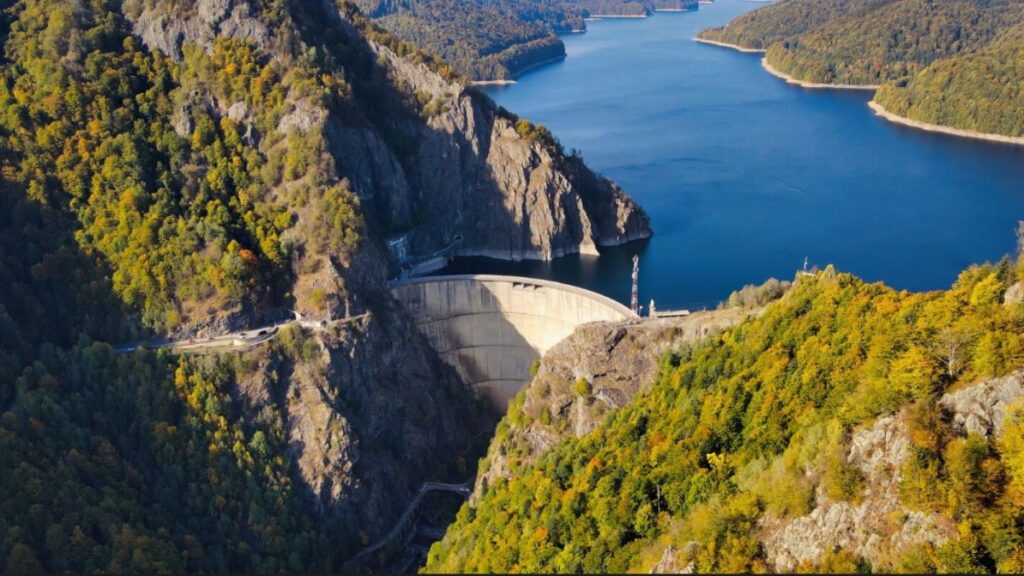
Introduction to the KRS Dam and its Purpose
Nestled in the serene landscapes of Karnataka, the KRS Dam stands as a testament to human ingenuity and ambition. Built across the river Cauvery, this monumental structure serves a dual purpose: generating hydropower for millions and providing irrigation to vast agricultural lands. However, beneath its impressive facade lies a complex web of controversies and environmental concerns that spark heated debates among conservationists and energy advocates alike. As we delve into the story of KRS Dam, we’ll explore how it aims to balance its role as an energy provider while safeguarding the delicate ecosystems surrounding it. Join us on this journey through innovation, conflict, and sustainability at one of India’s most significant dams.
The Controversy Surrounding the Dam’s Construction
The construction of KRS Dam sparked heated debates among various stakeholders. Environmentalists raised valid concerns about the potential disruption to local ecosystems. They feared that altering water flow could threaten native species and habitats, leading to long-term ecological damage.
Local communities also voiced their opinions. Some residents welcomed the promise of jobs and economic growth, while others worried about displacement and loss of agricultural land. This division created a rift within neighborhoods as priorities clashed.
Government officials touted the dam’s role in enhancing energy security for the region. Nevertheless, critics argued that prioritizing hydropower over environmental health could have detrimental effects on biodiversity.
Public protests became common as activists sought to raise awareness about these pressing issues. The ongoing debate highlighted the challenge of finding balance between development needs and environmental stewardship surrounding projects like KRS Dam.
Environmental Impact of KRS Dam
The KRS Dam, while a marvel of engineering, has stirred significant environmental concerns. Its construction altered the natural flow of the river, impacting local ecosystems profoundly. Aquatic life that thrived in unimpeded waters faced disruptions.
Many fish species struggled to adapt to changed conditions. The sedimentation patterns shifted as well, affecting plant growth along the banks and diminishing habitat quality for numerous organisms.
Moreover, nearby flora experienced changes due to fluctuating water levels. This shift can lead to loss of biodiversity in areas surrounding the dam.
Human activities around the dam increased too. Land use intensified with agriculture expanding into previously untouched areas. This encroachment raised additional environmental risks such as soil degradation and loss of wildlife corridors.
Awareness about these impacts is crucial for future planning and conservation efforts linked to KRS Dam’s operation.
Efforts for Environmental Conservation by KRS Dam Authorities
The KRS Dam authorities are committed to preserving the environment while harnessing hydropower. They have initiated several programs aimed at reducing the ecological footprint of the dam.
One major effort includes regular monitoring of water quality in surrounding areas. This ensures that aquatic life remains healthy and thriving despite human activities.
Another significant initiative is the afforestation drive. By planting native trees around the reservoir, they enhance biodiversity and provide habitats for local fauna.
KRS Dam also engages with local communities through education campaigns focused on sustainability. These initiatives encourage residents to adopt eco-friendly practices, promoting a culture of conservation.
Collaborations with environmental NGOs further amplify their impact. Together, they work on research projects that assess and mitigate any adverse effects associated with dam operations.
These concerted efforts reflect a balanced approach toward energy generation and environmental stewardship at KRS Dam.
Benefits of the KRS Dam for Local Communities
The KRS Dam has transformed local communities in numerous ways. One of the most significant benefits is access to reliable electricity. This renewable energy source supports homes and businesses alike, fostering economic growth.
Beyond power generation, the dam creates opportunities for agriculture. Irrigation from the reservoir enhances crop yields, allowing farmers to cultivate more land efficiently.
Tourism also flourishes around the KRS Dam. The scenic views attract visitors eager to explore nature and engage in recreational activities like fishing and boating. This influx brings additional income to small businesses in nearby towns.
Moreover, community development initiatives funded by dam revenues support education and healthcare services. These improvements contribute significantly to residents’ quality of life.
Job creation is another vital aspect; construction and maintenance projects provide employment opportunities for locals. The ripple effects elevate overall community well-being while promoting sustainable practices throughout the region.
Challenges Faced in Balancing Hydropower and Conservation
The KRS Dam faces significant challenges in its quest to balance hydropower generation with environmental conservation. One major issue is the alteration of natural water flow patterns. This can disrupt local ecosystems and aquatic habitats, affecting fish breeding cycles.
Additionally, sedimentation poses a threat. As sediments accumulate behind the dam, they impact water quality and reduce storage capacity over time. Addressing this requires meticulous management strategies that may be costly and complex.
Community concerns also arise regarding land use changes due to flooding from reservoir creation. Local farmers often experience anxiety about losing their agricultural lands or facing altered soil conditions.
Climate change adds another layer of difficulty. Fluctuating weather patterns can affect water availability for power generation while simultaneously intensifying ecological pressures on surrounding wildlife. Balancing these competing needs demands innovative thinking and collaborative efforts among stakeholders.
Future Plans and Sustainable Solutions for KRS Dam
The future of KRS Dam looks promising with innovative approaches in sustainable energy. Authorities are exploring advanced hydropower technologies to enhance efficiency. These upgrades aim to minimize environmental disruption while maximizing electricity generation.
Additionally, there’s a focus on integrating solar power into the dam’s operations. This hybrid system could drastically reduce reliance on fossil fuels and lower carbon emissions.
Community engagement is also critical for future planning. Regular consultations with local residents ensure their concerns about conservation are heard and addressed.
Furthermore, initiatives like reforestation and habitat restoration are being considered alongside energy production plans. This dual approach can help maintain biodiversity in the region while supporting renewable energy goals.
With strategic investments and collaborative efforts, KRS Dam aims to set an example of how hydropower can coexist harmoniously with nature and local communities.
Conclusion
The KRS Dam stands as a pivotal structure in the realm of hydropower, serving crucial energy needs while simultaneously stirring debate over its environmental implications. The controversy surrounding its construction reflects broader concerns about balancing development with conservation. Ongoing assessments highlight both the dam’s impact on local ecosystems and the efforts by authorities to mitigate these effects.
Local communities benefit significantly from the KRS Dam. It provides essential electricity, irrigation support, and opportunities for recreation. However, this must be weighed against ecological challenges that arise from such large-scale projects.
Looking ahead, sustainable solutions are critical for ensuring that KRS Dam continues to operate effectively while respecting nature. Innovative approaches can harmonize hydropower generation with environmentally conscious practices.
The journey of KRS Dam underscores an ongoing dialogue about our commitment to responsible energy production and environmental stewardship. Finding equilibrium will require collaboration among stakeholders at every level—government bodies, environmentalists, and local communities alike—as we navigate this complex landscape together.